

Introduction to Seats for Low-Speed Electric Vehicles
Introduction to Seats for Low-Speed Electric Vehicles
The design of seats for low-speed electric vehicles focuses on comfort, practicality, and cost control. A detailed introduction is as follows:
Seat Materials
Automotive Fabric Seats
- Fabric: Commonly used in entry-level models. The fiber structure offers excellent air permeability, preventing a sticky feeling during summer rides. Through various weaving techniques, it can present diverse textures, matching a variety of interior styles.
Automotive Synthetic Leather Seats
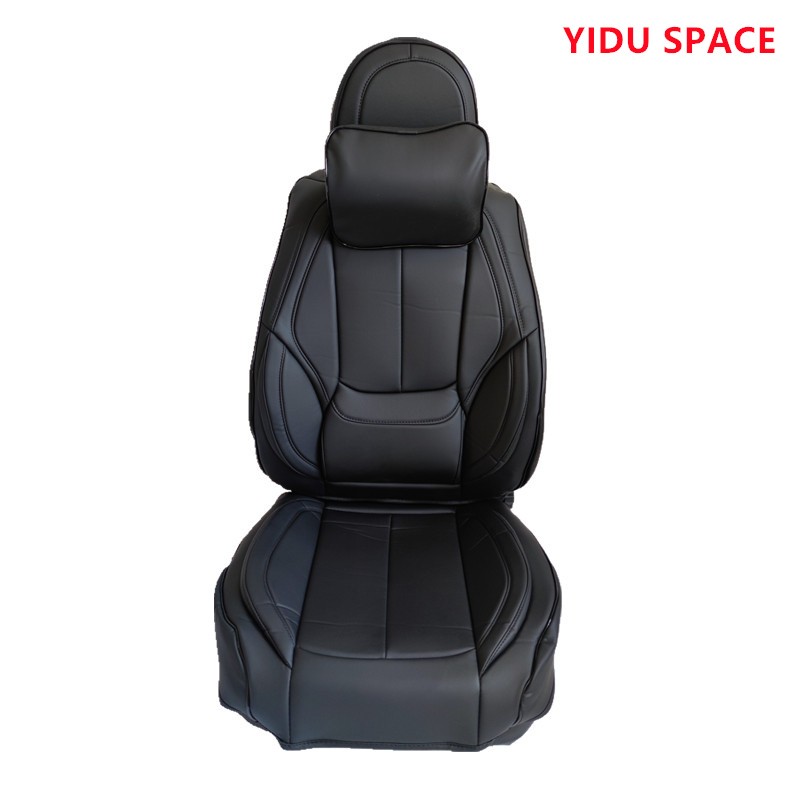
- Synthetic leather: It has a texture close to genuine leather with a smooth surface, and can be easily cleaned with a damp cloth daily. It is more durable than ordinary fabric, resistant to frequent friction, making it suitable for family users.
Automotive High-Grade Wear-Resistant Fabric Seats
- High-grade wear-resistant fabric: Selected by some models emphasizing practicality and comfort. It combines wear resistance and air permeability, treated with special processes to resist scratches and ensure a long service life, while also avoiding stuffiness.
Automotive Carbon Fiber Seats
- Carbon fiber: Adopted by models pursuing lightweight and performance. Its low density reduces the vehicle's weight, improving range and handling. The unique woven texture creates a strong sense of technology and sporty atmosphere.
Seat Adjustment Functions
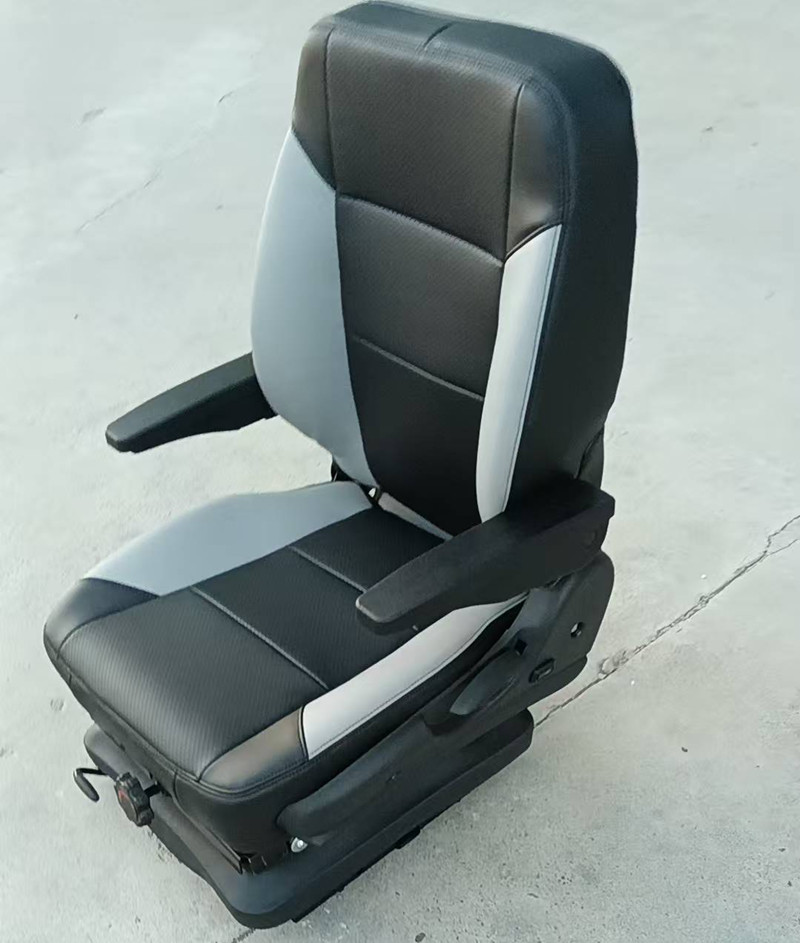
- Manual adjustment: Most common in standard models. For example, the driver's seat supports forward/backward sliding and backrest angle adjustment, while the front passenger seat is mostly fixed or only allows forward/backward sliding. This adjustment method is low-cost and meets basic usage needs.
- Electric adjustment: Equipped on some mid-to-high-end low-speed Electric Vehicle Seats. It enables easy multi-directional adjustment (forward/backward, height, backrest angle, etc.) via buttons, offering more convenient operation and allowing users to find a precise and comfortable sitting position.
Seat Comfort Design
- Ergonomic design: Many low-speed Electric Vehicle Seats feature a thickened and widened design, following ergonomic principles to fit the body curve, effectively reducing fatigue during driving or riding.
- Ventilation, heating and massage functions: Some higher-end models are equipped with seat ventilation to keep the seat dry in hot weather; heating functions provide warmth in cold conditions. Some seats also have massage functions, which help relax muscles through different modes and intensities, enhancing riding comfort.
- Cushion thickness and filling material: Cushion thickness and filling material significantly impact comfort. For instance, the Jitui Ruibao model uses foamed memory foam and expands the cushion area by 12%, reducing fatigue even during long rides.
Seat Layout and Space Utilization
- 2-seat layout: Common in compact low-speed electric vehicles with a compact space, suitable for single or double short-distance travel. Seats are usually flexible, providing a good driving view.
- 4-seat layout: A mainstream layout for low-speed electric vehicles, with 2 seats in the front row and 2 seats in the rear row. Rear seats are available in integrated and independent versions. The rear seats of some models support full folding or 4/6 split folding to expand trunk space, meeting both passenger and cargo-carrying needs.
Cangzhou Huayang Car Accessory Co.,Ltd.
WhatsApp/WeChat/Kakao talk/MB:+86 15030709203
Tel: +86 15030709203; +86 18733045230
QQ: 2761741790
Email: sales@hycaraccessory.com
ceo@hycaraccessory.com
sales@yiduspace.com
2761741790@qq.com
Website: www.hycaraccessory.com